
How to keep cat gear clean (and lasting)
By the MCC team · 5 min read · Reviewed for accuracy
Cat stuff gets used. Beds get napped in, toys get drooled on, trees get climbed and shed on. A little upkeep is the difference between gear that lasts a year and gear you’re replacing every few months. Here’s the no-fuss routine.
Beds and soft goods
- Check the label first. Many quality beds (including our cat caves and loungers) have removable, machine-washable covers — the single best feature for longevity.
- Wash cool, dry low. Cold or warm wash, low-heat or air dry to protect the shape and fill. High heat is what flattens and shrinks them.
- Skip heavy fragrance. Cats have sensitive noses and may avoid a bed that smells strongly of detergent. Use a small amount of unscented or mild detergent.
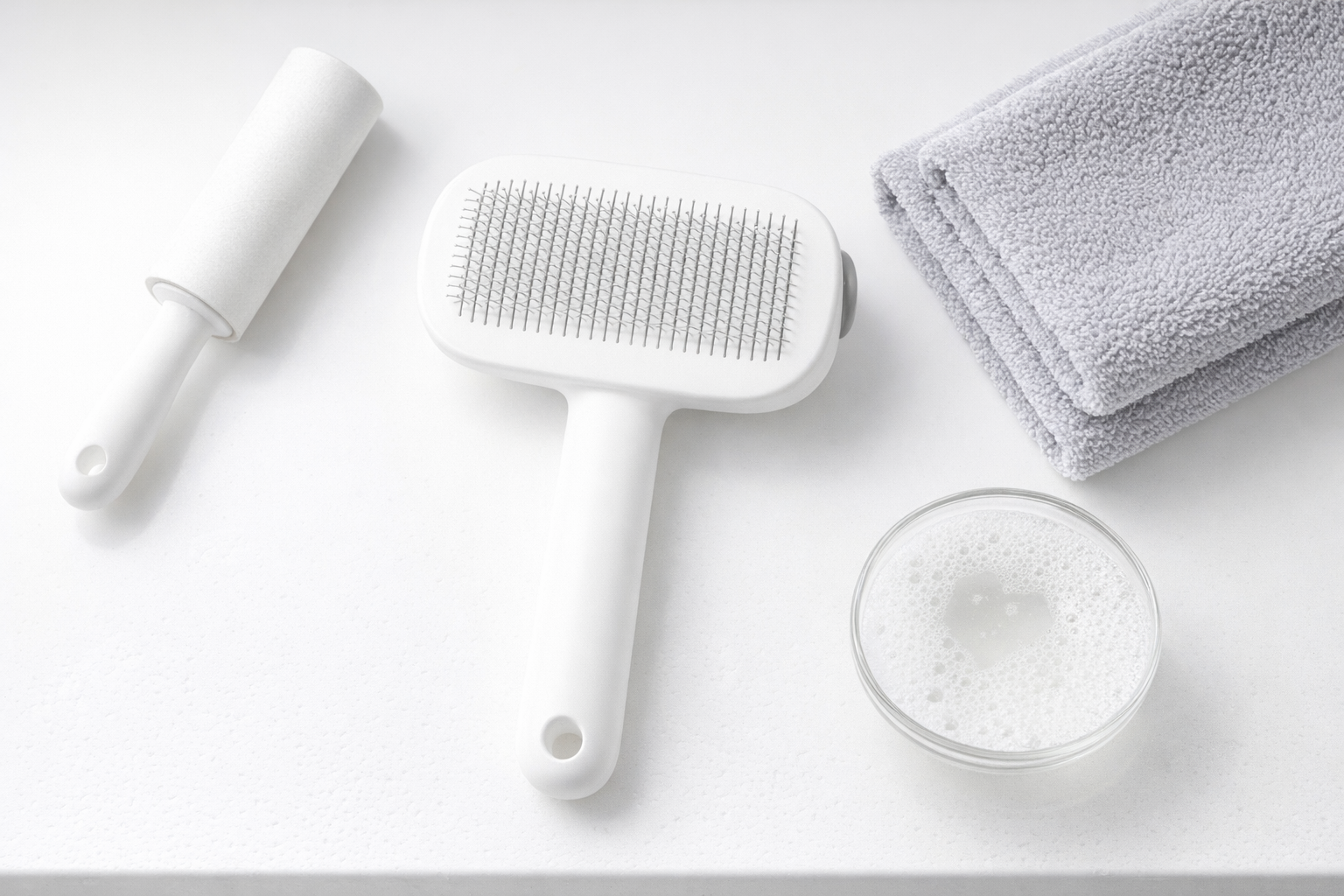
- De-fur first. Run a lint roller or a quick vacuum over it before washing so you’re not clogging your machine with fur.
Toys
- Hard/plastic toys: wipe with warm water and mild soap, rinse, air dry.
- Fabric and catnip toys: a gentle hand-wash or a delicates bag in the machine. Refresh catnip toys by storing them in a sealed bag with fresh catnip.
- Toss the hazards. Any toy with a frayed string, loose bell, or chewed-off part goes in the bin — swallowed parts are a real danger.
Cat trees and scratchers
- Vacuum weekly. The brush attachment lifts fur out of carpeted platforms and sisal.
- Spot-clean with a barely-damp cloth and mild soap; let it dry fully before your cat reclaims it.
- Rotate the wear. If a tree has reversible or replaceable parts, flip or swap them so one post doesn’t take all the abuse.
Make it last from day one
- Place gear smartly — a bed out of direct sun fades less; a tree on carpet wobbles less.
- Rotate toys so nothing gets destroyed (or boring) too fast. Out of sight a week, exciting again on return.
- Buy quality once. A sturdy, washable piece outlasts three cheap ones — better for your wallet and the landfill.
A cleaning schedule that actually holds
- Daily: scoop the litter box; rinse the water bowl (slime builds in 24 hours); wipe the food bowl.
- Weekly: wash food and water bowls in the dishwasher; shake out or vacuum the bed; brush the cat so the fur goes in the brush, not the sofa.
- Every 2–3 weeks: machine-wash the bed; wipe down tree platforms; wash fabric toys.
- Monthly: empty and scrub the litter box with unscented soap; clean the fountain pump; check sisal posts for loose rope.
Bowls and fountains: the slime nobody talks about
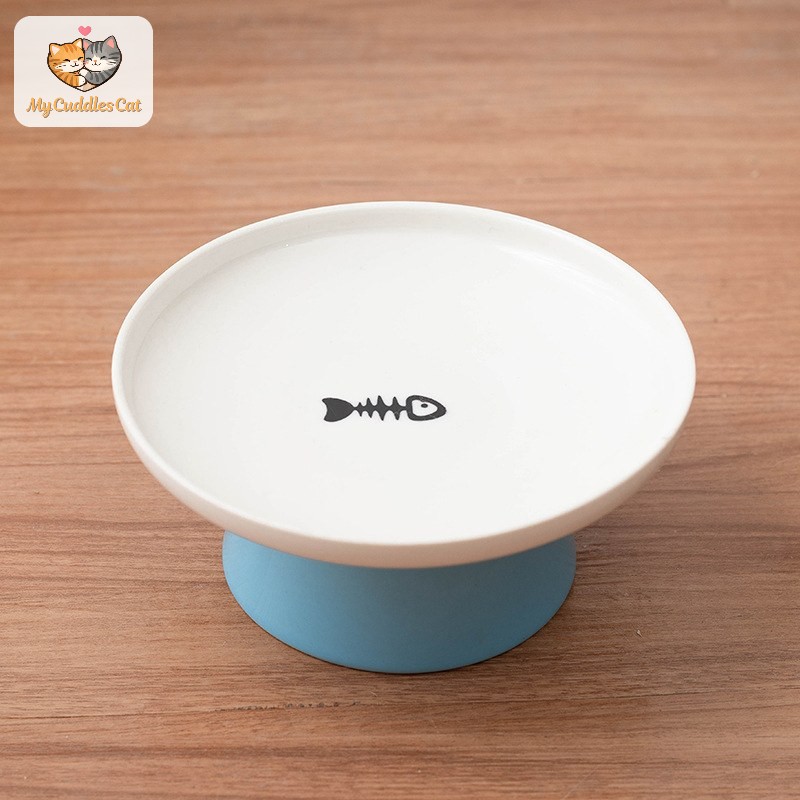
The film that forms in a water bowl is a bacterial biofilm, and it is one reason cats drink less than they should. Ceramic and stainless bowls — a glazed ceramic dish or the stainless Custom Name Cat Bowl — wipe clean and go in the dishwasher; plastic scratches and holds the film. A cat water fountain needs the pump taken apart monthly: pull the impeller, rinse the housing, replace the filter on schedule, and the water stays clear.
Litter boxes and enclosures
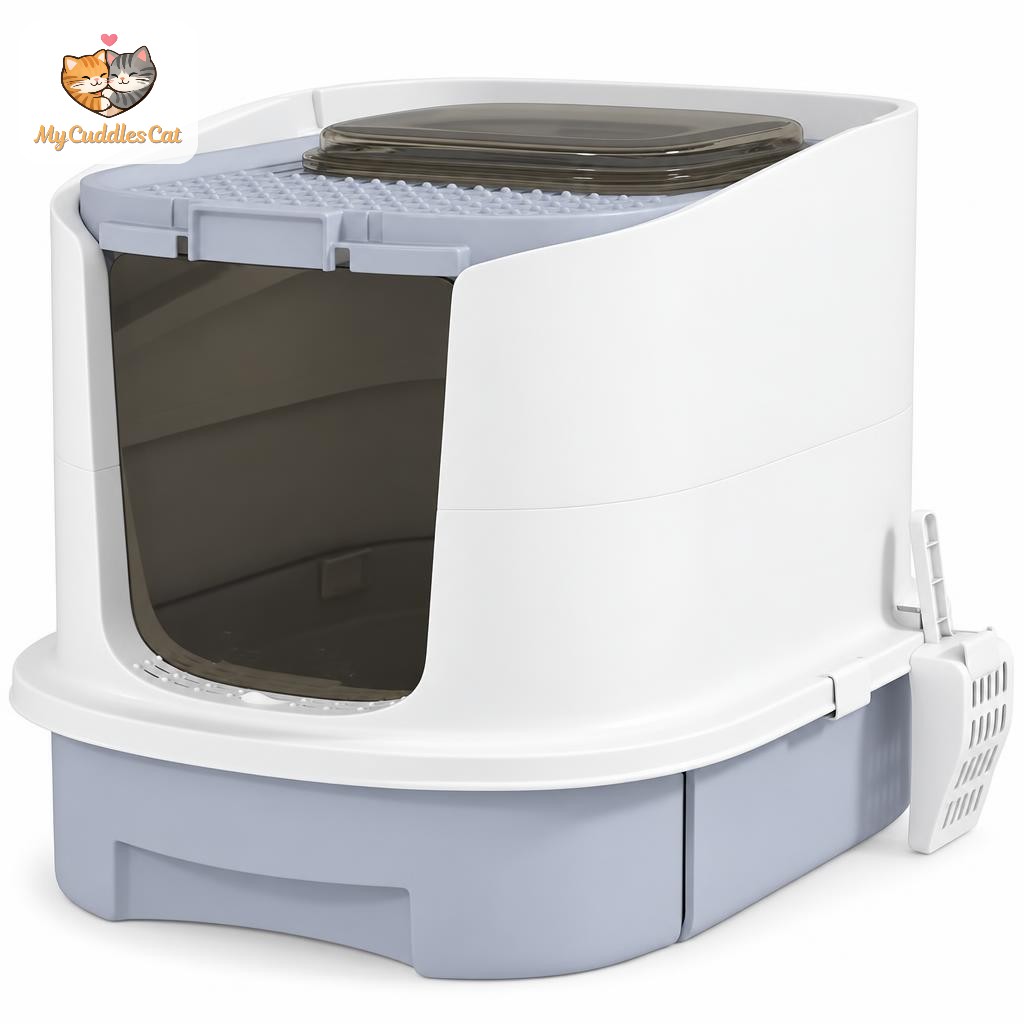
Scooping daily keeps odor down; a full change plus a scrub every month keeps the plastic from absorbing smell. An enclosed litter box traps odor inside, which is the point — so it needs the daily scoop more, not less. If the box lives inside litter box furniture, keep a mat just inside the cat door and wipe the cabinet floor when you change the litter.
Fur: deal with it at the source
Every hair you brush out is one that is not on the bed, the tree or the couch. A weekly session with a deshedding brush pulls the loose undercoat before it sheds; in spring and fall, go to twice a week. Clean the brush after each use — most have a push-button release — so it keeps pulling.
Cat trees, posts and wall shelves
Wood and sisal clean easier than carpet: wipe wood platforms with a damp cloth, vacuum perch cushions, and brush loose fibers off sisal with a stiff brush. Do not wash sisal — it loses its grip when soaked. Tighten the bolts on a free-standing tree every few months (they loosen as the wood settles), and on wall shelves check the screws when you dust them.
What not to use
Skip phenol-based disinfectants (many pine and “fresh scent” cleaners), bleach near anything a cat will lick, and essential oils — tea tree, eucalyptus and citrus oils are toxic to cats. Unscented dish soap, white vinegar diluted in water, and an enzyme cleaner for accidents cover almost everything.
Deep-clean cheat sheet by item
| Item | Quick clean | Deep clean | How often |
|---|---|---|---|
| Plush bed | Lint roller, shake outside | Cold wash, gentle, extra rinse; air dry | Cover fortnightly, whole bed monthly |
| Stainless bowl | Hot soapy water daily | Dishwasher top rack | Daily / weekly |
| Water fountain | Rinse bowl, wipe slime | Strip down, soak parts in 1:1 white vinegar and water 20 min, scrub pump, new filter | Every 3 days / fortnightly |
| Litter box | Scoop twice daily | Empty, hot water + unscented dish soap, dry fully, refill 3–4 in | Daily / by litter type (see litter smell guide) |
| Sisal post | Brush loose fibres off | Vacuum with brush head; trim frayed strands, never replace with carpet | Weekly / monthly |
| Wall shelves | Wipe, vacuum fabric pads | Remove pads and wash; re-torque screws | Monthly |
| Plush toys | Shake, roller | Mesh bag, cold wash; discard when seams open | Fortnightly |
Why gear smells — and the one fix that works
Fur and dander are not what you smell; it is the oils and saliva that bind to fabric and the bacteria that feed on them. Perfumed sprays only layer scent on top and many irritate cats. The fix is an enzymatic cleaner for anything a cat has peed, drooled or vomited on, a cool wash with an extra rinse (heat sets protein stains), and full drying — a damp bed smells within a day. For plastic items that have absorbed odour (old litter boxes, scratched bowls) no cleaner recovers them; replace.
Pet-safe cleaning products (and what to keep away from cats)
- Safe when rinsed: unscented dish soap, white vinegar diluted 1:1, baking soda, enzymatic pet cleaners, fragrance-free laundry detergent.
- Avoid: phenol-based disinfectants (many “pine” cleaners), undiluted bleach near litter (reacts with ammonia), essential-oil sprays (tea tree, eucalyptus and citrus oils are toxic to cats), and fabric softener on beds (coats fibres, holds fur).
Washing-machine settings that save the bed
Cold or 30 °C, gentle cycle, extra rinse, no softener, and a slow spin for anything with foam inside. Put small items in a mesh bag, wash cat gear separately from clothes, and run an empty hot cycle afterwards if fur builds up in the drum. Dry flat or on a low tumble with two dryer balls to re-fluff fill; high heat shrinks plush and warps foam. Our Marshmallow Cloud Bed is designed for exactly this cycle, which is the main reason we stock it.
The twice-a-year deep clean
Spring and autumn, give everything one afternoon: wash every bed and cover, strip and descale the fountain, replace fountain filters, vacuum trees and posts with the brush head, re-torque wall shelves and tree bolts, wash the litter mat, and swap any litter box older than 18 months. Shedding peaks in spring, so a lint roller on the sofa and a brush on the cat in the same week makes the rest of the season easier — see grooming tools.
Multiple cats: keep gear clean without doubling the work
Colour-code bowls so each cat keeps its own (reduces resource guarding and cross-contamination when one cat is unwell), run one fountain per two cats, and stagger bed washing so there is always a clean bed down. A shared litter cabinet with a large tray inside is faster to clean than two hooded boxes, as long as you keep the n+1 box rule in another room. Our Hidden Haven Litter Cabinet keeps the scoop and bags on the storage side, which is the difference between a 30-second scoop and a chore you put off.
Three tools cut the cleaning load: a cat hair remover for furniture and bedding, a cat litter mat that keeps tracked litter in one place, and a stainless steel litter box that resists the scratches where odor builds up in plastic.
Frequently asked questions
How do I get cat hair off a cat bed?
Dampen a rubber glove and sweep in one direction, then roller. Washing with two dryer balls lifts the rest.
Can I use a steam cleaner on cat furniture?
On sisal and wood, yes, lightly; on foam and plush it drives moisture deep and causes smell. Wash those instead.
How often should I replace a litter box?
Every 12–18 months, or sooner if the base is scratched — scratches hold odour no cleaner removes.
Bottom line: cool washes, enzymatic cleaners for accidents, full drying every time, and a calendar reminder for the fortnightly jobs. Gear that is easy to clean gets cleaned; gear that is not gets replaced early. Buy the washable version the first time and the routine above takes under an hour a month.
Start here
Everything we stock is chosen to hold up to real cats and real washing machines. Browse beds, trees, and toys — U.S.-delivered in 5–8 business days, and backed by our 15-day returns.
Got a stain or a setup question? Ask us — we’ve seen it all.